
How Same-Day Crowns Work and Why Patients Love Them
June 24, 2026 9:00 amA crown can become necessary at an inconvenient time. Maybe a large filling breaks while you are eating. Maybe a tooth that has been sensitive for a while suddenly hurts when you bite down. Or maybe your dentist finds a crack before it turns into something more painful.
For years, getting a crown usually meant two visits. At the first appointment, the tooth was prepared, an impression was taken, and a temporary crown was placed. Then you waited for the final crown to come back from a lab before returning for another visit.
That process still works well in many cases. However, the time between appointments can be annoying. You may be careful about chewing on that side, avoid sticky foods, and hope the temporary crown stays put until the final visit.
Same-day crowns can change that part of the process. In many cases, the dentist can prepare the tooth, take a digital scan, design the crown, make it in the office, and place it before you leave. So, instead of managing a temporary crown for a week or two, you may finish crown treatment in one appointment.
At Magnolia Dental in Mabank, TX, Dr. Gerard Macy, Dr. Odelia Kim, Dr. Tanner Anglin, and Dr. Ana Taboada can examine the tooth and explain whether same-day crown treatment makes sense for your situation. It is not the right choice for every tooth, but it can be a useful option when the treatment is a good fit.
What Is a Same-Day Crown?
A same-day crown is a custom crown made during your appointment. Instead of sending an impression to an outside lab and waiting for the finished crown to return, the dental team uses a digital scan to create a detailed model of the tooth and the surrounding teeth while you are still in the office.
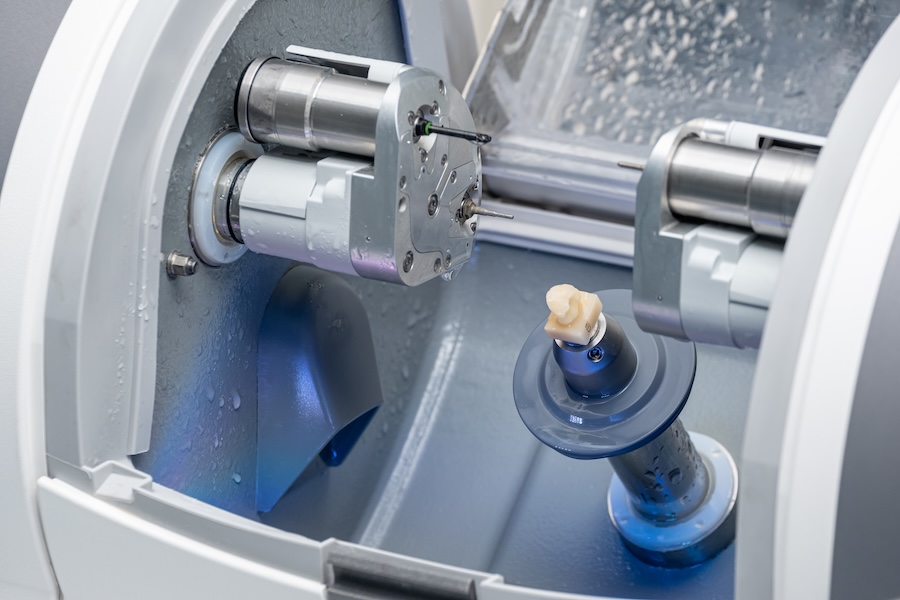
From there, the crown is designed on a computer and milled from ceramic in the practice. Once it is made, the dentist places it on the tooth, checks the fit around the gumline, and sees how it meets the opposing teeth when you bite.
That bite check is a big part of the visit. A crown may look great, but it also has to feel right when you chew. If it is even slightly too high, the tooth can feel sore after you leave. Since the crown is made in the office, small adjustments can be handled before it is bonded in place.
With a traditional crown, the preparation happens first, but the lab work takes place after you leave. With a same-day crown, the scan, design, milling, and placement all happen during the same appointment.
Why a Tooth May Need a Crown
A crown is usually recommended when a tooth needs more support than a filling can provide. The tooth may be cracked, badly worn, broken, weakened after a root canal, or filled so many times that there is not much strong tooth left around the edges.
Sometimes the tooth has been patched several times over the years. Each filling may have helped at the time, but eventually there may be more filling material than natural tooth. Then a corner breaks, a crack develops, or the tooth starts hurting when you chew something firmer.
Other times, the tooth has had a root canal. A root canal treats the inside of the tooth, but the remaining tooth structure may still be weak. A crown can help protect it from breaking under normal biting pressure.
Crowns can also be used for worn or misshapen teeth. Still, the main reason is often protection. The crown covers the tooth and helps it handle everyday chewing without leaving a weakened area exposed.
What Happens During a Same-Day Crown Appointment?
The appointment usually starts with an exam and, when needed, X-rays or digital images. The dentist checks for cracks, decay, old filling material, and weak areas that may affect how the tooth should be restored.
Next, the tooth is numbed if needed. The dentist reshapes it so there is enough room for the crown to fit over the tooth. If there is decay, a broken area, or an old filling that needs to come out, that is handled during this stage too.
Once the tooth is ready, a digital scanner captures images of the prepared tooth and nearby teeth. Rather than sitting with a tray of impression material in your mouth, the scanner creates a digital model of the area. The dentist can see the scan right away and make sure the needed details are there.
Then the crown is designed and sent to an in-office milling machine. While it is being made, there may be a short wait. Afterward, the dentist tries the crown on the tooth, checks the fit and bite, makes adjustments where needed, and bonds it in place.
By the end of the visit, the final crown is already on the tooth. You are not leaving with a temporary crown and trying to remember when you can schedule the next appointment.
Digital Scans Can Make the Visit More Comfortable
Traditional impressions have been used in dentistry for a long time, and they still work. However, they are not always the easiest part of a crown appointment.
Some people dislike the bulky trays. Others have a strong gag reflex or do not enjoy sitting with impression material in their mouth while it sets. A digital scanner can make that step feel less awkward.
The scanner moves around the teeth and builds a digital model on a screen. If one spot needs another image, it can be rescanned right then. That is useful because there is no waiting for a lab to receive the impression and discover later that one area was not clear enough.
The scan also gives the dentist a close look at the prepared tooth, the teeth beside it, and the bite. Then the crown can be shaped for the space that is actually there, rather than based on a physical impression sent out of the office.
Skipping the Temporary Crown Can Be a Big Deal
Temporary crowns have an important job. They cover the prepared tooth while the final crown is being made. Still, they can require extra caution.
You may be told to avoid sticky candy, gum, or very chewy foods. Flossing may need to be done a little differently so you do not pull the temporary loose. Then there is the possibility that it comes off while you are eating dinner, traveling, or trying to get through a busy week.
A same-day crown removes that waiting period. The final crown is placed before you leave, so there is no stretch of time where you are working around a temporary restoration.
That can be especially helpful if getting back to the dentist is difficult. Maybe you work outside Mabank, have limited time off, or simply do not want to organize another appointment around a crown that is already halfway finished.
After the numbness wears off, many people can return to their normal routine. However, the dentist may give you specific instructions depending on how much work was needed or how the tooth responded during treatment.
Same-Day Crowns Can Make Scheduling Easier
A same-day crown appointment is longer than a cleaning or a small filling. Still, one longer visit may be easier to manage than two separate trips.
That can be helpful when your week is already packed. You may need to take time away from work, arrange childcare, move a meeting, or drive in from another town. Doing that once is often simpler than repeating the same process a few weeks later.
There is also the issue of the tooth itself. A cracked tooth may not hurt constantly, but it can worsen with regular chewing. You may find yourself avoiding that side of your mouth, cutting food smaller, or trying not to bite down too hard until the crown is finished.
When the tooth is a good candidate for same-day treatment, the crown can be completed before that waiting period drags on. However, some people do prefer shorter appointments, and some teeth need a different approach. The right choice depends on the tooth, the bite, and the type of crown needed.
How Same-Day Crowns Compare With Traditional Crowns
Both same-day and traditional crowns are meant to restore and protect damaged teeth. The main difference is how the final crown is made and how the treatment is scheduled.
With a traditional crown, the tooth is prepared first. Then an impression or scan is sent to a dental lab, and a temporary crown is placed while the final crown is made. You return later so the final crown can be checked and cemented.
With a same-day crown, the scan, design, milling, and placement happen during one appointment. So, the visit is longer, but there may not be another crown appointment afterward.
Traditional crowns can still be a good choice. A front tooth may need more detailed cosmetic work. A particular tooth may need a material that is better made through a lab. Or the bite may be more involved and need extra planning.
So, same-day treatment is not automatically better just because it is faster. The crown has to fit the tooth, work with the bite, and hold up to the job that tooth does every day.
Are Same-Day Crowns Strong Enough?
Same-day crowns are made from durable ceramic and are intended to be the final restoration. They are not a temporary fix.
However, crowns still have limits. Chewing ice, biting hard objects, opening packages with your teeth, or grinding at night can damage a crown just as those habits can damage natural teeth.
Before the crown is bonded, the dentist checks the bite carefully. A crown that hits first can make the tooth sore or tender when you chew. Since the crown is being placed while you are still in the office, adjustments can be made before you go home and start using the tooth again.
If you clench or grind your teeth, the team may recommend a nightguard. That can protect the crown, but it can also reduce wear on your other teeth.
How Long Does a Same-Day Crown Appointment Take?
The timing depends on the tooth and how much work it needs. A tooth with a large old filling, deep decay, or a crack may take longer than a more straightforward case.
During the appointment, the dentist has to prepare the tooth, scan it, design the crown, mill it, check the fit, adjust the bite, and bond it in place. So, while you may only need one visit, it is still worth setting aside enough time for the process.
Trying to fit the appointment between two other commitments can make the day feel rushed. It is better to leave enough room for the dentist to check the crown carefully and for you to speak up if something does not feel right before you leave.
Once numbness wears off, the tooth may feel a little unfamiliar because it has a new surface and shape. But it should not feel high, sharp, or like you have to shift your jaw to make your teeth come together.
How to Care for a Same-Day Crown
A same-day crown is cared for much like a natural tooth. Brush twice a day, floss around the crown, and keep up with regular dental visits.
The gumline around the crown still needs attention. Plaque can collect where the crown meets the tooth, so brushing and flossing help protect the natural tooth structure underneath.
Call the office if floss starts catching, the crown feels loose, or your bite starts to feel different. Sometimes the issue is a simple adjustment. Still, it is better to have it checked than wait for a small concern to become a bigger problem.
You should also call if the tooth stays painful after the first few days, becomes very sensitive, or hurts when you bite. That may be related to the bite, irritation in the tooth, or another issue that needs attention.
With regular care, a crown can protect a tooth for many years. The crown is only part of the story, though. Keeping the gums healthy and coming in for checkups helps protect the tooth underneath it too.
Same-Day Crowns in Mabank, TX
Same-day crowns can restore a damaged tooth without the usual wait between preparing the tooth and placing the final crown. For many patients, that means one longer appointment, no temporary crown, and no need to return later only for crown placement.
At Magnolia Dental in Mabank, TX, Dr. Gerard Macy, Dr. Odelia Kim, Dr. Tanner Anglin, and Dr. Ana Taboada can examine the tooth and talk through whether same-day crown treatment fits your situation. Call to schedule a visit if you have a cracked tooth, a large old filling, or a tooth that keeps bothering you when you chew.
Categorised in: Same-Day Crowns