
Whitening Without Regret: How to Reduce Sensitivity and Keep Results Looking Even
May 28, 2026 9:00 amWhitening sounds simple until your teeth start zinging every time you take a sip of cold water. Or until one tooth looks brighter than the others. Or until an old filling near the front of your smile suddenly stands out more than it used to. Teeth whitening can be a great way to refresh your smile, but it works best when there is a little planning behind it.
A brighter smile should not leave you nervous to drink iced tea or wondering why the color looks patchy. Sensitivity, uneven results, gum irritation, and shade surprises are usually easier to avoid when you know what to expect before you start. The goal is not just whiter teeth. It is a result that feels comfortable, looks natural, and fits your mouth.
At Magnolia Dental in Mabank, TX, Dr. Gerard Macy, Dr. Odelia Kim, Dr. Tanner Anglin, Dr. Ana Taboada, and the team help patients approach whitening with real-life habits in mind. Whether you are whitening for an event, brightening a smile that has dulled over time, or trying to avoid sensitivity after a past whitening experience, a thoughtful plan can help you get better results with fewer regrets.
Why Teeth Can Feel Sensitive After Whitening
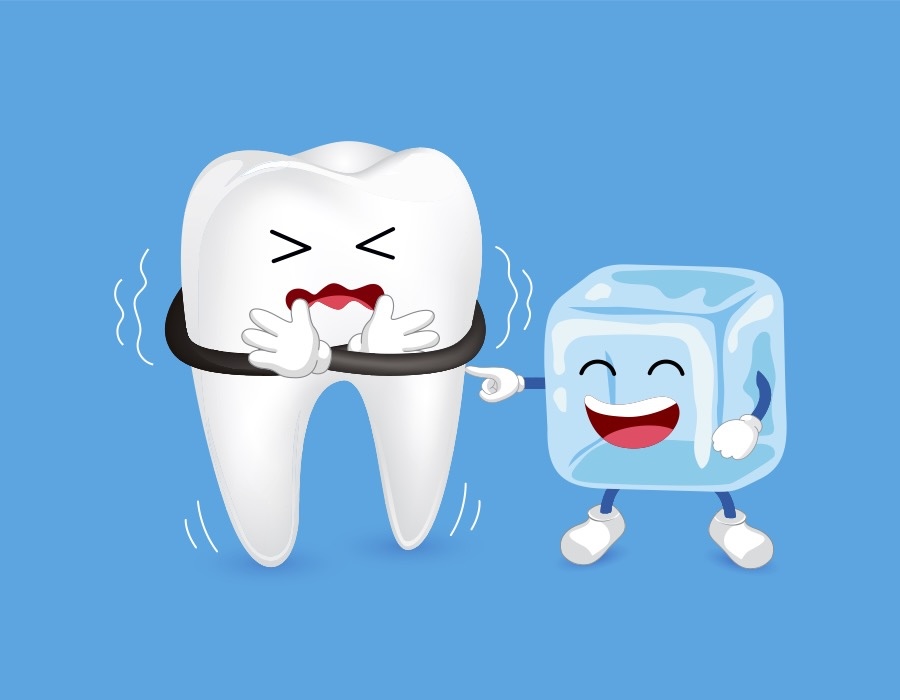
Whitening sensitivity is common, and it does not always mean something is wrong. Whitening products open microscopic pathways in the enamel so the whitening ingredient can reach and lift stains. During that process, some teeth become more reactive to cold air, cold drinks, sweet foods, or brushing.
For some patients, the feeling is mild and short-lived. For others, it can be sharp enough to make them pause before drinking something cold. If you already have sensitive teeth, gum recession, enamel wear, cracks, exposed roots, or untreated cavities, whitening may feel more intense.
This is one reason a dental exam before whitening can be helpful. The team can check for problems that may make sensitivity worse. A small cavity, a leaking filling, or gum recession can change the way whitening feels.
Sensitivity is usually temporary, but it should not be ignored. If your teeth already react easily, tell the team at Magnolia Dental before you begin. There may be ways to adjust the whitening plan so the process feels more manageable.
Start With a Dental Exam Before Whitening
It is tempting to grab whitening strips and start right away, especially when you want quick results. However, whitening works better when the teeth and gums are healthy first.
A dental exam can identify cavities, gum inflammation, worn enamel, cracked teeth, exposed roots, or old dental work that may affect whitening. If those concerns are present, whitening may cause more sensitivity or create uneven-looking results.
A cleaning may also help before whitening. Plaque and tartar can block whitening gel from contacting the enamel evenly. Surface stains can also make teeth look duller than they really are. Once the teeth are clean, whitening can work on a better surface.
At Magnolia Dental, Dr. Macy, Dr. Kim, Dr. Anglin, or Dr. Taboada can help determine whether your mouth is ready for whitening or whether another step should come first. That small pause before starting can save you from discomfort and shade surprises later.
Know What Whitening Can and Cannot Change
Whitening works on natural tooth enamel. It does not whiten crowns, veneers, bonding, or tooth-colored fillings. This is one of the most common reasons whitening results can look uneven.
If you have a crown or filling on a front tooth, the natural teeth around it may brighten while the restoration stays the same shade. Suddenly, dental work that blended in before may look darker or more noticeable.
This does not mean whitening is off the table. It just means timing and shade planning are important. Sometimes whitening is done first, and then an older filling or bonding is updated to match the new shade. Other times, a more conservative whitening plan may make sense.
Whitening also cannot change every type of discoloration. Yellow-toned stains often respond better than gray or brown discoloration. Stains from trauma, certain medications, or internal tooth changes may need a different cosmetic approach. Before you start, it helps to know what kind of improvement is realistic.
Choose the Right Whitening Method for Your Teeth
Not every whitening product works the same way. Store-bought strips, whitening toothpaste, custom trays, and in-office whitening can all have different strengths, fit, and results.
Over-the-counter products may help with mild staining, but they are not customized to your teeth. Strips may slide around, miss certain areas, or irritate the gums if the whitening gel touches soft tissue. Some patients also use them too often because they are chasing a faster result.
Custom whitening trays from a dental office fit more closely to your teeth. That fit can help keep the gel where it belongs and reduce gum irritation. A dentist can also recommend a whitening strength and schedule based on your sensitivity level and goals.
In-office whitening may be a better option for patients who want faster results or a more supervised process. The right choice depends on your starting shade, sensitivity history, dental work, timeline, and how much control you want during treatment.
Do Not Rush the Shade Change
When you are excited to brighten your smile, it is easy to want the fastest option possible. But teeth do not always appreciate being pushed too hard. Whitening too aggressively can lead to sensitivity, gum irritation, or a chalky-looking result.
A gradual approach often feels better, especially for patients with sensitive teeth. Shorter wear times, lower-strength gel, or spacing out whitening sessions may help your teeth tolerate treatment more comfortably.
It is also smart to stop when your smile reaches a shade that still looks natural. Teeth that are too white for your face, age, or surrounding dental work can look less balanced. Bright is great. Blinding is not usually the goal.
If you are whitening for a wedding, graduation, reunion, or photos, start earlier than you think. Giving yourself enough time allows for adjustments without cramming everything into the final week.
Use Sensitivity Products Before and During Whitening
If you are prone to sensitive teeth, it may help to start using a sensitivity toothpaste before whitening. Give it a couple of weeks if possible. These products can help calm the nerves inside the teeth and make whitening more comfortable.
During whitening, your dentist may also recommend spacing out treatments or using a desensitizing gel. Some custom trays can be used with products designed to reduce sensitivity, depending on the plan.
Be careful with whitening toothpaste during active whitening. Some whitening toothpastes are more abrasive and may irritate teeth if used too aggressively. If your teeth feel tender, a gentler toothpaste may be a better choice for a while.
If sensitivity shows up, do not automatically push through. Take a break, switch to a milder routine, and ask the team for guidance. Your teeth are allowed to complain when they need a slower pace.
Protect Your Gums From Whitening Gel
Gum irritation can happen when whitening gel spreads onto the soft tissue. This may cause temporary burning, white spots on the gums, tenderness, or a raw feeling. It usually improves, but it can make whitening unpleasant.
Fit plays a big role. Whitening strips that shift around or trays that do not fit well may allow gel to leak onto the gums. Using too much gel in a tray can also cause overflow. More gel does not mean better whitening. It often just means more cleanup and more irritation.
Custom trays can help because they are made to fit your teeth. When used correctly, they help keep the whitening gel in the right place. The team at Magnolia Dental can show you how much gel to use and how long to wear the trays.
If your gums burn during whitening, remove the product and rinse your mouth. Then pause and ask for advice before trying again. A small adjustment may be all you need.
Keep Results Even by Whitening Clean Teeth
Uneven whitening can happen when plaque, tartar, or heavy surface stains block the whitening gel from reaching the enamel consistently. This is why a dental cleaning before whitening can be useful.
Clean teeth give the whitening product a more even surface to work on. If buildup is sitting along the gumline or between teeth, the shade may not lift evenly in those areas.
To keep results even, brush and clean between your teeth before using trays or strips. This removes food particles and plaque that can get in the way. It also helps prevent whitening gel from sitting over debris.
If your teeth have deep grooves, uneven enamel, white spots, or older dental work, results may still vary. In that case, a dentist can explain what is normal and whether other treatments may help improve the final look.
Watch What You Eat and Drink Right After Whitening
After whitening, teeth can be more likely to pick up stains for a short time. This does not mean you need to eat plain chicken and rice for days, but it does help to be thoughtful during the first 24 to 48 hours.
Coffee, tea, red wine, cola, berries, tomato sauce, curry, soy sauce, barbecue sauce, and dark juices can all leave color behind. If you do have something dark, rinse with water afterward.
Acidic foods and drinks can also increase sensitivity. Citrus, soda, vinegar-based foods, and very hot or cold drinks may feel uncomfortable right after whitening. Give your teeth a little time before jumping back into everything.
A simple rule is to choose lighter, mild foods for the first day or two. Eggs, yogurt, pasta with light sauce, chicken, rice, bananas, potatoes, and water are usually easier choices while your teeth settle down.
Keep Your Whitening Results From Getting Patchy
Even whitening is not only about the whitening appointment. It also depends on what happens afterward. If plaque builds up, stains collect, or old dental work no longer matches, the smile can start looking uneven again.
Daily brushing, cleaning between teeth, and regular dental cleanings all help maintain a cleaner surface. Rinsing with water after coffee, tea, wine, or dark sauces can also slow down stain buildup.
If you use custom trays for touch-ups, follow the schedule recommended by your dentist. Touching up too often can cause sensitivity, while waiting too long may mean you need a longer refresh later.
Also, pay attention to one tooth that seems darker than the rest. A single discolored tooth may not be a surface stain. It could be related to an old injury, nerve changes, or internal discoloration. That kind of shade difference should be evaluated before whitening more.
Be Careful With DIY Whitening Trends
Social media is full of whitening tricks, but many of them are rough on teeth. Lemon juice, baking soda scrubs, charcoal powders, peroxide rinses, and other DIY trends can irritate gums or wear enamel when used the wrong way.
Once enamel is worn down, it does not grow back. Thinner enamel can make teeth look yellower because more of the natural dentin color shows through. That is the opposite of what most people want.
Some products may make teeth look cleaner at first because they scrub off surface stains. However, if they are abrasive or acidic, they can create long-term problems.
If you are unsure about a whitening product, ask Magnolia Dental before using it. A quick question can help you avoid sensitivity, gum irritation, or enamel damage.
When Sensitivity Means You Should Stop Whitening
Some sensitivity is common, but whitening should not leave you miserable. If pain is sharp, lingers, affects one specific tooth, or continues after you stop whitening, it is time to pause and schedule an exam.
One sensitive tooth can be a sign of a cavity, crack, leaking filling, gum recession, or nerve irritation. Whitening more will not solve those problems and may make the tooth feel worse.
You should also stop if your gums burn, blister, or stay irritated after whitening. That may mean the product is too strong, the tray does not fit well, or the gel is being applied incorrectly.
Whitening should feel manageable. If it starts feeling like something you have to endure, your plan needs adjusting. There are usually safer ways to approach it.
Whitening Without Regret in Mabank, TX
Whitening can refresh your smile, but the best results come from planning, not guessing. A dental exam, clean teeth, the right whitening method, sensitivity support, gum protection, and smart maintenance habits can all help your results look more even and feel more comfortable.
At Magnolia Dental in Mabank, TX, Dr. Gerard Macy, Dr. Odelia Kim, Dr. Tanner Anglin, Dr. Ana Taboada, and the team can help you choose a whitening approach that fits your teeth, timeline, and sensitivity level. Whether you are whitening for the first time or trying to avoid the discomfort you had before, the right plan can make the process easier.
If you want a brighter smile without the regret that can come from sensitivity or uneven results, schedule a visit with Magnolia Dental. The team can help you understand your options and choose a whitening plan that makes sense for your mouth.
FAQs
How can I reduce sensitivity from teeth whitening? Use a sensitivity toothpaste before whitening, avoid over-whitening, follow the recommended schedule, and ask your dentist about lower-strength gel or desensitizing products.
Why do my teeth look uneven after whitening? Uneven whitening may happen because of plaque buildup, enamel differences, old dental work, white spots, internal stains, or restorations that do not whiten like natural teeth.
Should I get a cleaning before whitening? Yes, a cleaning can help remove plaque, tartar, and surface stains so whitening products contact the enamel more evenly.
Can crowns, veneers, or fillings be whitened? No. Crowns, veneers, bonding, and tooth-colored fillings do not whiten like natural enamel. Shade planning is important before whitening visible teeth.
What should I avoid after whitening? For the first 24 to 48 hours, limit dark or acidic foods and drinks such as coffee, tea, red wine, tomato sauce, berries, cola, and citrus. Rinse with water if you do have them.
When should I stop whitening because of sensitivity? Stop whitening and call your dentist if pain is sharp, lingering, focused on one tooth, or if your gums burn or stay irritated.
Categorised in: Dental Tips, Teeth Whitening