
Wisdom Teeth Recovery Guide: Food Choices, Swelling Control, and When to Call
October 9, 2026 9:00 amAfter wisdom teeth removal, even deciding what to have for lunch takes a little preparation. Something soft in the refrigerator helps more than getting home to a kitchen full of chips, crusty bread, and very little you want to chew. During wisdom teeth recovery, you’ll also need to work around the healing areas when cleaning and take a break from strenuous activity. We go over when to start rinsing, what you can eat, and how to protect the sockets while they heal.
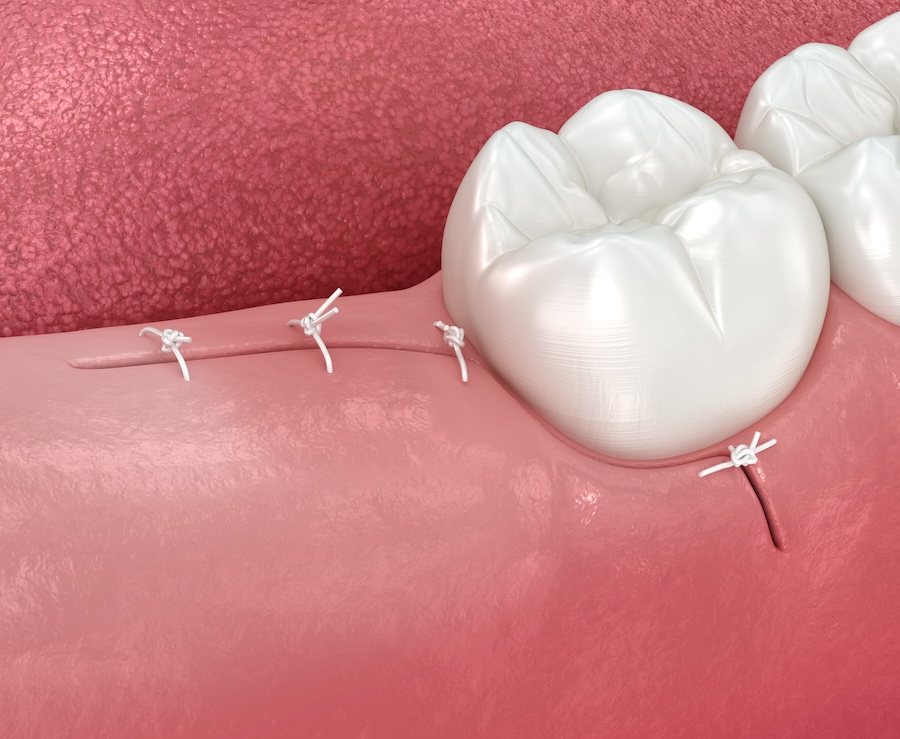
Your recovery at Magnolia Dental in Mabank, Texas, depends partly on how the wisdom teeth are positioned. Dr. Gerard Macy and Dr. Ana Taboada may remove a tooth that has already erupted or one still beneath the gum or bone, and those procedures can involve different healing needs. The instructions we send home cover your extraction sites, medications, and stitches, including when to start rinsing and resume activity.
Protect the Blood Clot
After a tooth is removed, a blood clot forms in the socket and helps protect the tissues underneath. During the first day, follow our instructions for gauze, activity, and eating while that clot develops. A small amount of oozing can mix with saliva and make the bleeding look heavier than it is.
During early healing, skip vigorous rinsing, forceful spitting, and straws for the period listed in your care sheet. Those actions can disturb the clot protecting the socket. Smoking and vaping can also interfere with healing, so plan how you’ll avoid them before surgery day.
While your mouth is numb, it’s easy to bite your cheek or tongue without realizing it. Hot food or drinks can also burn before you feel the temperature. Once the numbness wears off and you can eat according to the directions we gave you, start with cool or lukewarm foods that need little chewing.
Soft Foods That Provide More Than a Snack
Smooth yogurt, applesauce, mashed potatoes, and cooled soup can be easier to manage during early recovery. As you become more comfortable, scrambled eggs, soft pasta, flaky fish, or well-cooked vegetables may add variety. After a day or two of applesauce, you may be ready for something that feels more like dinner. Adding soft sources of protein and enough calories helps you stay nourished while your usual meals are off the menu.
Choose foods without crunchy pieces, seeds, or hard toppings that could catch around the extraction sites. Yogurt may be easy to eat, but the granola you usually scatter over it can catch around a healing site. Blend a smoothie until it’s smooth and drink it from a cup rather than a straw.
As eating becomes more comfortable, gradually add texture while following the restrictions for your procedure. Chew away from the surgical sites when possible, and leave hard crusts or crunchy toppings for later. If pain starts increasing instead of easing, or you can’t drink enough fluids, contact us for a recovery check.
Swelling Often Builds Before It Settles
Swelling may increase over the first two or three days after wisdom tooth removal before beginning to improve. Bruising and jaw stiffness can occur as well, depending on the procedure. One side may swell more than the other if the surgical work differed between sites.
A cold pack against the cheek may help during the early period we recommend. Wrap it in a cloth and follow the on-and-off intervals rather than keeping ice on your face continuously. Later, the instructions may change, so check the care sheet before switching to warmth.
During the early recovery period, give strenuous exercise a break for the time we recommend. A workout can bring back throbbing or bleeding even when sitting at home feels comfortable. As swelling and soreness settle, you can gradually return to normal activities within your recovery instructions.
Pain Medicine During Recovery
We’ll review pain management based on your medical history and the type of extraction. Use prescribed or over-the-counter medicines only as directed, and check before combining products. Some cold remedies and pain medicines contain the same ingredient, which can lead to taking more than intended.
If an antibiotic is prescribed, take it as directed and contact us about side effects or concerns. Use the medicines listed for this recovery rather than leftovers from an earlier procedure. Also, follow any restrictions on driving, alcohol, and other medications when a medicine causes sedation.
As healing progresses, the pain should usually become easier to manage. If it gets sharply worse or returns after improving, we need to check whether the socket is healing as expected. Contact us if that happens or if pain keeps you from drinking enough fluids.
Cleaning Around the Healing Sites
You can usually keep cleaning the teeth away from the sockets, following our directions for the first day. Work gently around the surgical areas so the brush doesn’t catch a stitch or scrape healing tissue. As you work around the sockets, continue cleaning the other teeth so plaque doesn’t build up during recovery.
Once rinsing is allowed, let the liquid move gently around the mouth. Vigorous swishing can disturb the healing area. If you receive an irrigation syringe, wait until the start date we give you before using it near the sockets.
As you return to more normal meals, food may collect near a healing socket. Use the rinsing or irrigation method we have provided rather than digging at the area with a toothpick or fingernail. The tissue needs time to close, and picking at it can disturb that healing.
When Recovery Needs Another Check
Dry socket happens when the protective blood clot breaks down or is lost before healing tissue covers the socket. It can leave underlying bone and nerves exposed, causing strong pain several days after extraction, sometimes toward the ear or temple. If soreness improves and then becomes much worse, with a bad taste or odor, contact us so we can examine the socket and treat the pain.
Contact us about increasing swelling, fever, persistent bleeding, worsening pain, or numbness that continues beyond the expected period. Describe when the change started and whether it’s getting better or worse. From there, we can decide whether to check the sockets in person or change how you’re caring for them at home.
Seek emergency medical care for trouble breathing or swallowing or rapidly spreading swelling. Get medical help right away if that happens, even if you already have a follow-up booked with us. For other recovery concerns, use the contact directions on the care sheet, including the instructions for reaching the treating team after hours.
Wisdom Teeth Care in Mabank
Before wisdom teeth removal, stock a few soft meals and plan time away from strenuous activity. Our Magnolia Dental team can review how much recovery time your procedure may need, including school, work, and exercise. Schedule with Dr. Macy or Dr. Taboada in Mabank, Texas, and bring your questions so you can head home knowing what to expect!
Categorised in: Dental Tips, Wisdom Teeth Removal